
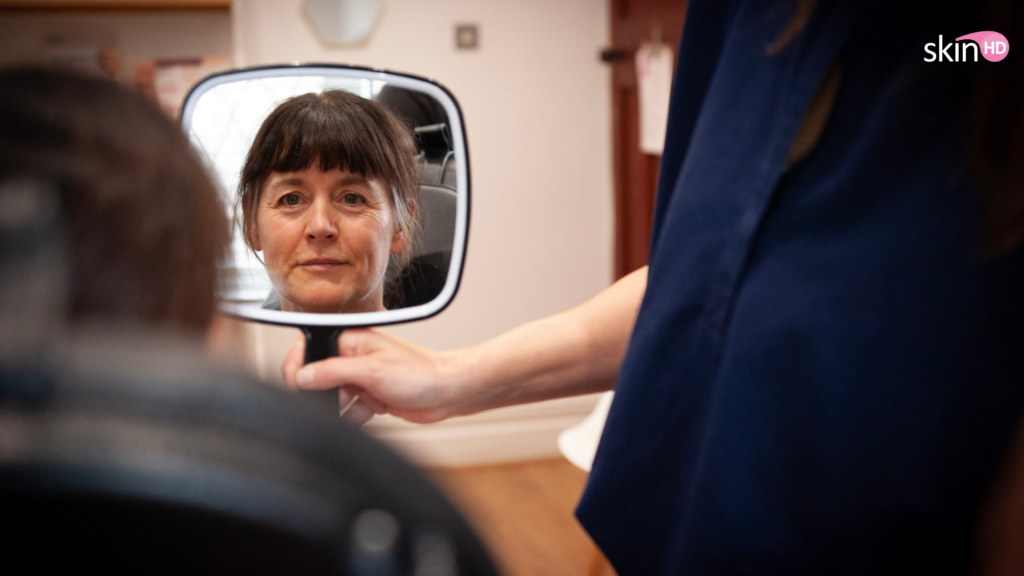
“I just don’t feel like myself.”
We hear this regularly in consultations at SkinHD. A conversation might begin with a change in someone’s skin, then move into how they’ve been feeling more generally. They’re tired. Their confidence has taken a knock. Something feels different, but they can’t quite put their finger on it.
Perhaps you recognise that feeling. You’re still doing everything you usually do, but it takes more effort. Or you catch your reflection and feel that the person looking back doesn’t quite match how you think of yourself.
During perimenopause and menopause, physical and emotional changes can happen together. Understanding them can help you make sense of that unfamiliar feeling and work out what might help.
More than hot flushes
Perimenopause is the transition leading up to menopause. Symptoms can begin while you’re still having periods, so you might not immediately connect them with how you’re feeling.
Anxiety can appear in situations you used to take in your stride. Your mood may be less predictable, or you might struggle to concentrate after another interrupted night’s sleep. Hot flushes are only one part of the picture.
There is also evidence of increased vulnerability to depression. A 2024 review involving more than 9,000 women found a roughly 40% higher risk of depressive symptoms or a depression diagnosis during perimenopause compared with premenopause. This describes an increase in risk, not the proportion of women who will develop depression.
Not everyone will experience these difficulties. But if you do, they can affect your confidence as much as your mood.
Losing your train of thought during a meeting might leave you questioning yourself for the rest of the day. After work, you have little energy left, so you turn down plans you would normally enjoy. Eventually, you start missing the sociable, capable version of yourself you remember.
Poor sleep can make mood and concentration symptoms harder to manage, adding to that feeling that ordinary life has become more demanding.
Looking at the whole picture
Understanding the role of hormones can be a relief. It gives you a possible explanation for changes that have felt confusing. But it’s still worth looking at everything else that’s going on.
You may be caring for a parent while raising children, or dealing with pressure at work. Those demands don’t become less significant because you’re going through menopause.
If you’ve been feeling low or increasingly anxious, speaking to a counsellor or therapist can help you explore what’s happening.
You don’t have to be certain that hormones are the cause. Your GP can also discuss treatment options and help you find suitable support.
Physical symptoms deserve attention too. Existing conditions such as migraine can become more troublesome during perimenopause. Other conditions can produce similar symptoms: an underactive thyroid, for example, can cause tiredness, low mood and changes to skin and hair. A GP review can help identify whether menopause is contributing or whether something else needs investigating.
You don’t need to arrive with an explanation. Tell your GP what has changed and how it’s affecting your day.
Relationships and intimacy
When you’re tired or feeling less comfortable in yourself, relationships can feel different too. You might need more space than usual, then feel guilty for wanting it. Small frustrations can become arguments, particularly when you’re struggling to explain what’s wrong.
Physical symptoms can affect intimacy. Vaginal dryness may make sex uncomfortable, while changes in desire can leave you feeling disconnected from a part of your relationship you used to enjoy. You may still want affection and closeness, but begin avoiding situations you worry will lead to discomfort. Your GP can discuss treatment for these symptoms.
Talking about it can help you understand each other, although that isn’t always easy without support. Relationship counselling can give you time to work through changes together, or couples therapy may also be appropriate where relationship difficulties and depression are affecting one another.
Finding the right support
If symptoms are affecting your life, it’s worth asking your GP about treatment, including whether HRT would be suitable.
HRT can help with menopause symptoms, and NICE recommends considering it for depressive symptoms that start alongside other menopause symptoms but fall below the threshold for a depression diagnosis. Depression itself needs assessment and treatment alongside menopause care.
There’s also plenty of advice online about supplements, often with convincing promises. Before buying something, ask your GP or pharmacist whether it is likely to be useful and safe for you. Many products marketed for menopause have limited evidence for their effectiveness and safety, and some herbal remedies can interact with medicines.
A little guidance can save you the expense and frustration of trying one thing after another.
Feeling stronger
Exercise can help support mood during menopause, alongside any medical or psychological care you need. It can also give you a different way to connect with your body when you’ve become more conscious of how it looks.
There can be something reassuring about spending time noticing what your body can do, especially when you’ve become more focused on how it looks. A walk with a friend, swimming, dancing or a strength session might also give you time for yourself or a chance to enjoy some company.
The activity needs to suit your health, energy and what you actually enjoy. If your usual exercise feels too demanding, adapting it is reasonable. Shorter sessions or a gentler pace can make movement feel more manageable, without turning it into another expectation to live up to.
It doesn’t have to be about weight loss or changing your appearance. Feeling stronger, noticing your progress and enjoying a sense of achievement can help you build confidence in your body again.
When your skin feels unfamiliar
During perimenopause and menopause, skin can become drier and more easily irritated. Products you’ve used comfortably for years may start to sting, or leave your skin feeling tight and itchy. When your usual routine no longer seems to work, it can feel as though you’re starting from scratch.
You might also notice breakouts, even if spots haven’t bothered you for years. Skin can gradually lose firmness, making lines more noticeable. Hair may become thinner around your parting, while new facial hairs appear around your chin. Not everyone experiences the same changes, but they can make familiar parts of getting ready feel unexpectedly frustrating.
This can be another part of that “I don’t feel like myself” feeling. You know how you used to care for your skin and what made you feel good, but those familiar approaches aren’t giving you the same results.
It’s tempting to keep trying new products, especially when your skin feels unpredictable. A review of your routine can help you understand what it needs now and whether anything you’re using could be adding to the irritation.
Persistent irritation or noticeable hair loss is worth discussing with a healthcare professional too. Hormonal changes may contribute, but they shouldn’t automatically be assumed to be the only cause.
Where aesthetics can help
A particular skin concern can be one part of why you don’t feel like yourself. Addressing it may help you feel more comfortable with your appearance and give you a little control over something that has been bothering you.
The starting point is understanding what you would like to change. If your concern is skin texture, for example, we can discuss suitable options and the improvement you could reasonably expect.
When the feeling is broader, it’s worth taking a little more time. If everything about your appearance seems wrong, especially during a period of poor sleep or low mood, changing one feature may not bring the relief you’re hoping for. Treatment can improve a specific concern without resolving everything that affects how you see yourself.
That’s why an honest consultation matters. You should have a clear idea of what treatment can offer before deciding whether it’s right for you.
Talking it through at SkinHD
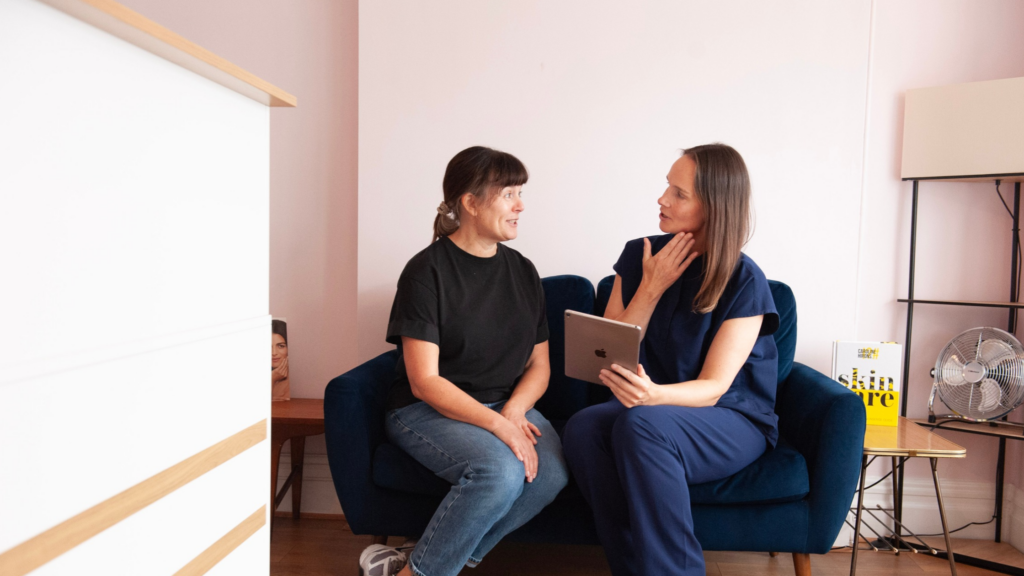
At SkinHD, we want to understand what you’ve noticed and what you’d like help with. We can review your skincare or discuss treatments that may improve a particular concern, with healthy skin as the starting point.
We’ll explain what treatment could realistically achieve, what it involves and any risks or limitations. Sometimes a change to your skincare is the best place to start. At other times, we may recommend waiting or advise that a treatment isn’t right for you. If your concerns would be better supported by another professional or service, we can help point you in the right direction.
If changes in your skin are part of why you don’t feel quite like yourself, you’re welcome to talk them through with us. A consultation gives us the chance to understand your concerns and help you find a sensible place to start.