

At SkinHD, healthy skin is just as important as glowing skin. During Melanoma Awareness Month, we’re highlighting the importance of recognising the early signs of melanoma and taking steps to protect your skin from damage.
Melanoma is one of the most serious forms of skin cancer. It develops in the melanocytes – the cells that produce pigment in the skin. While melanoma can be dangerous if left untreated, early detection greatly improves treatment outcomes.
What Are the Signs of Melanoma?
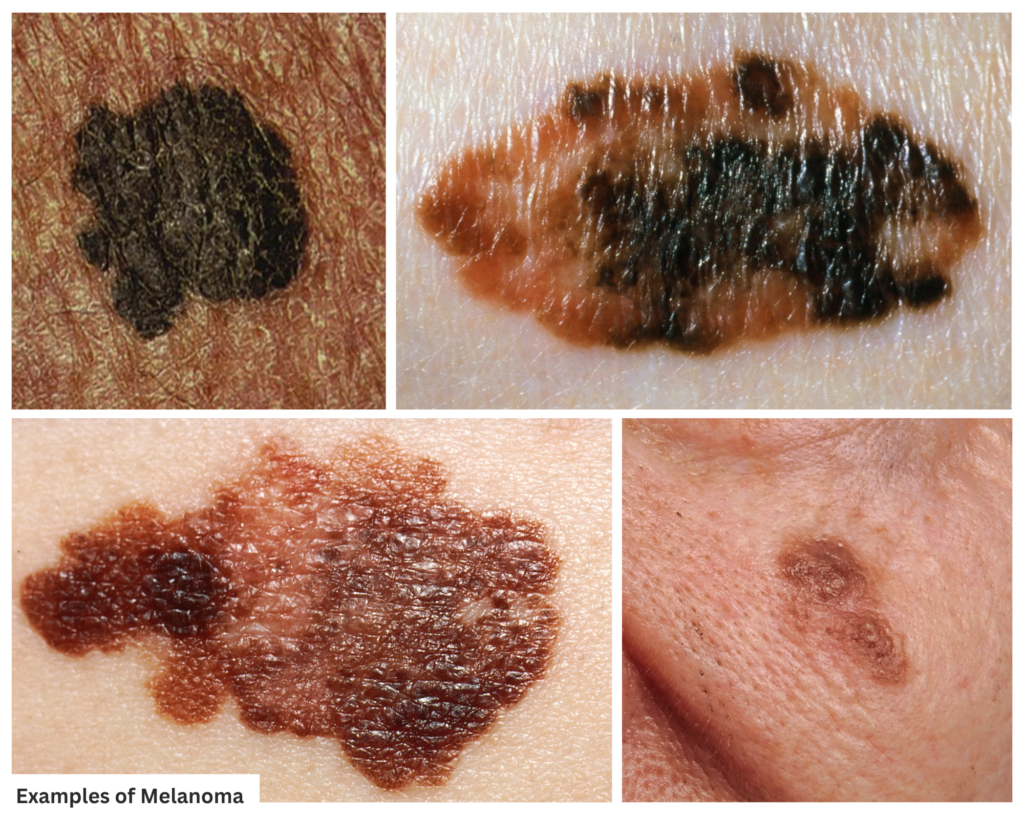
One of the easiest ways to identify suspicious moles or skin changes is by following the ABCDE rule:
- A – Asymmetry: One half of the mole looks different from the other
- B – Border: Irregular, blurred, or uneven edges
- C – Colour: Multiple shades or uneven colouring
- D – Diameter: Larger than 6mm
- E – Evolving: Any change in size, shape, colour, bleeding, crusting, or new moles appearing
If you notice any of these warning signs, it’s important to seek professional advice as soon as possible.
What Causes Melanoma?
The leading cause of melanoma is exposure to ultraviolet (UV) radiation from the sun or tanning beds. People with fair skin, freckles, a high number of moles, or a family history of skin cancer may have a greater risk.
However, melanoma can affect all skin tones. In darker skin, it often appears in less visible areas such as the palms, soles of the feet, or under the nails.
Why Regular Skin Checks Matter
Routine skin checks are one of the best ways to detect melanoma early. Self-checks at home, combined with annual dermatologist appointments, can help identify changes before they become serious.
Early diagnosis saves lives.
Common Melanoma Myths
“Only older adults get melanoma”
Melanoma can affect people of all ages, including teenagers and young adults.
“Tanning beds are safer than the sun”
False. Sunbeds emit harmful UV radiation that significantly increases skin cancer risk.
“Melanoma only appears on sun-exposed skin”
Melanoma can develop anywhere on the body, even in areas rarely exposed to sunlight.
“Darker skin tones don’t get melanoma”
Although the risk may be lower, melanoma can still occur in all skin types.
“Sunscreen alone prevents melanoma”
Sunscreen is essential, but it should be combined with protective clothing, shade, and limiting sun exposure during peak hours.
Expert Advice from a Melanoma Specialist
Click the link below to watch our Instagram Live with the incredible Caroline—an expert Melanoma Specialist Nurse (@foxaesthetics_m33), where we discussed tackling the worrying rise of melanoma in the UK and the crucial steps we can all take to protect ourselves and our loved ones!
Simple Sun Safety Tips
- Use an SPF 30 or above – ensure your sunscreen has at least a 3 star rating, and wear every day, even when cloudy!
- Use Factor 50 for paler skin – This also applies to children. Caroline’s personal recommendation is the Altruist SPF 50 Sunscreen. It’s fragrance-free, suitable for all skin types and can be used on both your face and body!
- Cover up – Wear hats or longer clothes when in the sun
- Seek shade – the sun is brightest between 11am – 3pm, so it’s best to stay shaded during these hours
- Regular checks – if you are concerned about a mole or suspicious marks on your skin, see your GP for advice. Early detection leads to better outcomes.
Healthy Habits for Better Skin Health
A healthy lifestyle can also support your skin. Staying hydrated, eating antioxidant-rich foods, and exercising regularly all contribute to overall skin wellness.
Supporting Melanoma Awareness
At SkinHD, we’re passionate about educating our community on skin health and skin cancer prevention. By raising awareness and encouraging regular skin checks, we can help more people detect melanoma early and protect their long-term health.
If you’re concerned about a mole/changes to your skin, or you or someone you know is affected by melanoma, there are numerous support resources available:
- Melanoma UK – offers support and resources for melanoma patients and their families
- British Association of Dermatologists – Provides information on skin health and finding a dermatologist