
Pigmentation is one of the most common skin concerns we see at SkinHD.
Whether it’s dark patches that appeared during pregnancy, pigmentation left behind after acne, sun spots that have become more noticeable over time, or simply feeling like your skin tone looks uneven or tired, pigmentation can be frustrating.
The questions we hear most often are:
“Why has my pigmentation appeared?”
“Why does it keep coming back?”
“What is the best treatment for pigmentation?”
The answer is rarely as simple as finding one “miracle” treatment.
At SkinHD, we believe the most effective pigmentation treatments start with understanding why your skin is producing excess pigment in the first place.
Because pigmentation is not just something sitting on the surface of your skin.
It is your skin responding to triggers such as UV exposure, hormones, inflammation and your individual skin behaviour.
Why does pigmentation happen?
Pigmentation occurs when your skin produces or distributes too much melanin, the natural pigment responsible for your skin colour.
Melanin itself is not the problem. It is an important part of your skin’s natural protection system.
The issue is when your melanocytes (the cells responsible for producing melanin) become overactive, leading to uneven pigment production.
Common triggers include:
Sun exposure
UV exposure is one of the biggest drivers of pigmentation.
Many people associate sun damage with sunburn, but UVA rays are particularly important when we talk about pigmentation and ageing.
Unlike UVB rays, which cause the burning sensation we recognise, UVA penetrates deeper into the skin and contributes to:
- Premature ageing
- Collagen breakdown
- Uneven pigmentation
- Melasma flare-ups
The tricky part is that UVA exposure happens every day, including through clouds and windows.
This is why daily SPF is one of the most important steps in managing pigmentation.
Hormonal changes
Hormones can have a significant effect on pigmentation.
This is particularly relevant for melasma, which is often associated with:
- Pregnancy
- Hormonal contraception
- Perimenopause and menopause
Melasma can be particularly challenging because we are often managing the symptoms rather than removing the underlying tendency for pigment production.
This means aggressive treatment is not always better.
In fact, irritating the skin can sometimes make pigmentation worse.
Inflammation
Inflammation is one of the biggest contributors to pigmentation that many people don’t realise.
When your skin becomes inflamed, it sends signals that can stimulate melanocytes.
This is why pigmentation can appear after:
- Acne
- Rosacea
- Eczema
- Skin irritation
- Picking spots
- Overly aggressive skincare
This type of pigmentation is called post-inflammatory hyperpigmentation (PIH).
Why does my pigmentation keep coming back?
At SkinHD, we often explain pigmentation using the “leaky tap” analogy.
Imagine your pigmentation is a puddle of water on the floor.
You can mop up the puddle, but if the tap is still leaking, it will keep returning.
Pigmentation works in a similar way.
The visible brown patch is the result of:
- Your skin producing pigment
- Pigment being transferred into the upper layers of the skin
- Existing pigment becoming visible
So a successful pigmentation plan needs to address all three stages.
The SkinHD approach to pigmentation
Turn off the mains: Reduce pigment production
The first step is understanding why your skin is producing excess pigment.
This may involve:
- Medical-grade skincare
- Tyrosinase inhibitors (ingredients that help slow pigment production)
- Prescription skincare such as hydroquinone and tretinoin where appropriate
- Antioxidants and barrier-supporting ingredients
For some clients, this is the most important part of their treatment plan.
Healthy skin is much more likely to respond well to professional treatments.
Turn down the tap: Reduce pigment transfer
Once pigment has been produced, it needs to move into the upper layers of the skin where we see it.
Ingredients such as niacinamide can help support this process by reducing pigment transfer, while also helping calm inflammation and strengthen the skin barrier.
Mop up the puddle: Improve existing pigmentation
Once the causes have been addressed, we can look at improving the visible pigmentation.
This is where professional treatments may help.
Which treatments can help pigmentation?
There is no single “best” pigmentation treatment.
The right option depends on:
- The type of pigmentation
- Your skin tone
- Your sensitivity
- Your skincare routine
- Your goals
This is why a consultation is so important.
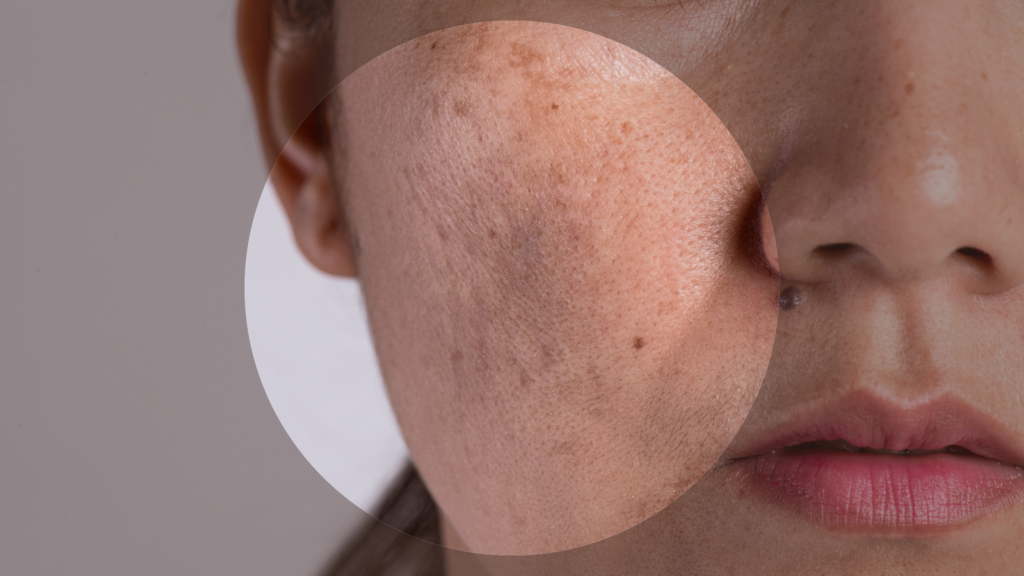
Melasma usually appears as symmetrical patches on areas such as the cheeks, forehead and upper lip.
Because it is often influenced by hormones and heat, we approach it carefully.
SkinHD approach:
Foundation:
- Skin analysis to understand your triggers
- Consistent SPF
- Pigment-regulating skincare
Possible treatments:
- Gentle chemical peels (such as mandelic, lactic or modified Jessner peels)
- Carefully selected laser treatments where appropriate
- Laser Genesis in some cases to support overall skin quality and inflammation control
We avoid aggressive approaches that may irritate the skin and trigger further pigmentation.
Sun Damage & Age Spots
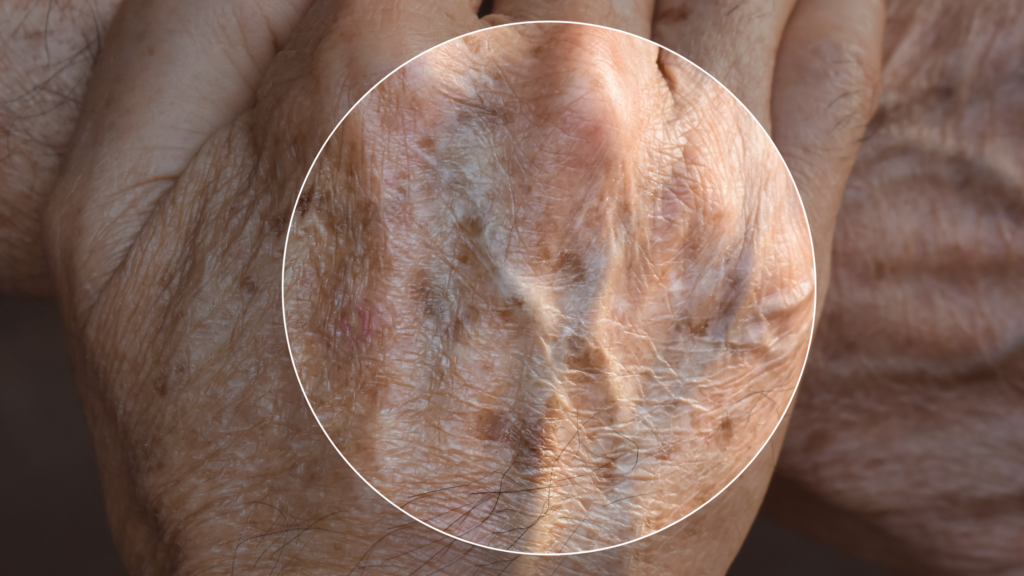
Sun-spots are caused by cumulative UV exposure over time.
These often respond well to targeted treatments when suitable.
Possible SkinHD treatments include:
IPL (Intense Pulsed Light)
IPL can target certain types of sun-related pigmentation by delivering controlled light energy into the skin.
However, IPL is not suitable for everyone, especially darker skin tones where the risk of pigmentation changes can be higher.
Chemical peels
Peels can help improve uneven tone and encourage healthy skin renewal.
Laser Genesis
Laser Genesis is not primarily a pigment-removing treatment, but it can support overall skin quality by improving redness, collagen stimulation and uneven tone.
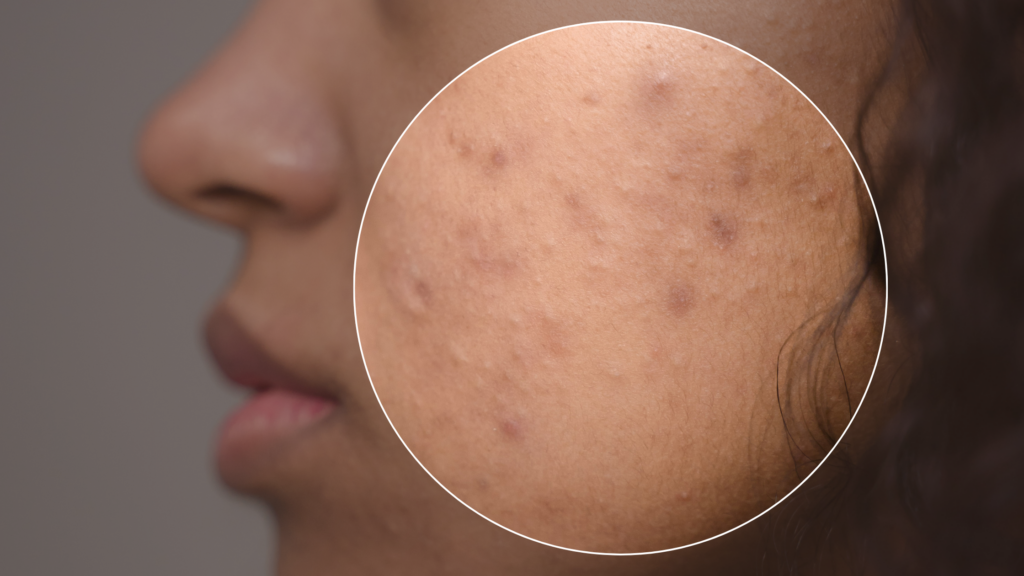
The key with post-inflammatory pigmentation is treating the cause as well as the pigment.
If inflammation continues, pigmentation is likely to return.
SkinHD treatments that may help include:
Medical skincare
Helping regulate pigment production and support skin health.
Chemical peels
Helping improve skin renewal and tone. Mandelic acid peels are great at helping reduce redness and inflammation without causing irritation to the skin.
Microneedling
Microneedling stimulates the skin’s natural repair process and can be particularly useful when pigmentation is combined with:
- Acne scarring
- Uneven texture
- Reduced skin quality
PRP, Polynucleotides and Exosomes
These regenerative treatments work by supporting the skin’s natural repair processes.
They are not direct pigment treatments, but they can improve:
- Skin resilience
- Texture
- Quality
- Recovery
This can be particularly valuable when pigmentation is linked with inflammation or scarring
One of the biggest mistakes people make with pigmentation is treating what they can see, rather than understanding what is happening underneath.
Two people may have similar-looking pigmentation but completely different causes.
Our professional skin scanner allows us to look deeper at:
- Underlying pigmentation
- Redness and inflammation
- Dehydration
- Skin quality
It helps us create a plan based on your skin, rather than the latest trend online.
Because what works beautifully for one person may not be right for another.
Why we talk about prevention so much
At SkinHD, we know this isn’t always the answer people expect.
Many people come looking for a treatment.
But the truth is, the most effective pigmentation plans often involve:
- Prevention
- Skincare
- Targeted treatments
Not the other way around.
Treatments are valuable tools, but they work best when they are part of a bigger strategy.
The SkinHD approach to pigmentation
Pigmentation can feel frustrating because it is visible, but understanding your skin changes everything.
At SkinHD, we don’t believe in chasing the strongest treatment or promising overnight fixes.
We believe in:
- Understanding why your pigmentation developed
- Supporting healthy skin function
- Choosing treatments carefully
- Being honest about what is achievable
Sometimes that means recommending a treatment.
Sometimes it means recommending skincare first.
Sometimes it means explaining why a treatment isn’t right for your skin.
Because our goal is not simply to make pigmentation disappear.
Our goal is to help you build healthier, stronger skin that you feel confident in.
Healthy skin starts with understanding it.