
At SkinHD, we’re committed to raising awareness about common skin conditions and providing effective treatments that help our clients achieve healthy radiant skin. This month, we’re focussing on rosacea – a chronic inflammatory skin condition that affects millions of people worldwide.
What is Rosacea?
Rosacea is a chronic inflammatory skin condition that primarily causes redness and flushing on the face, though it can also affect other parts of the body. This condition affects around 1 in 10 people in the UK and tends to be more common in women than men. Rosacea can be persistent and sometimes challenging to manage, but understanding its symptoms and treatments can help individuals live more comfortable with the condition.
Symptoms of Rosacea
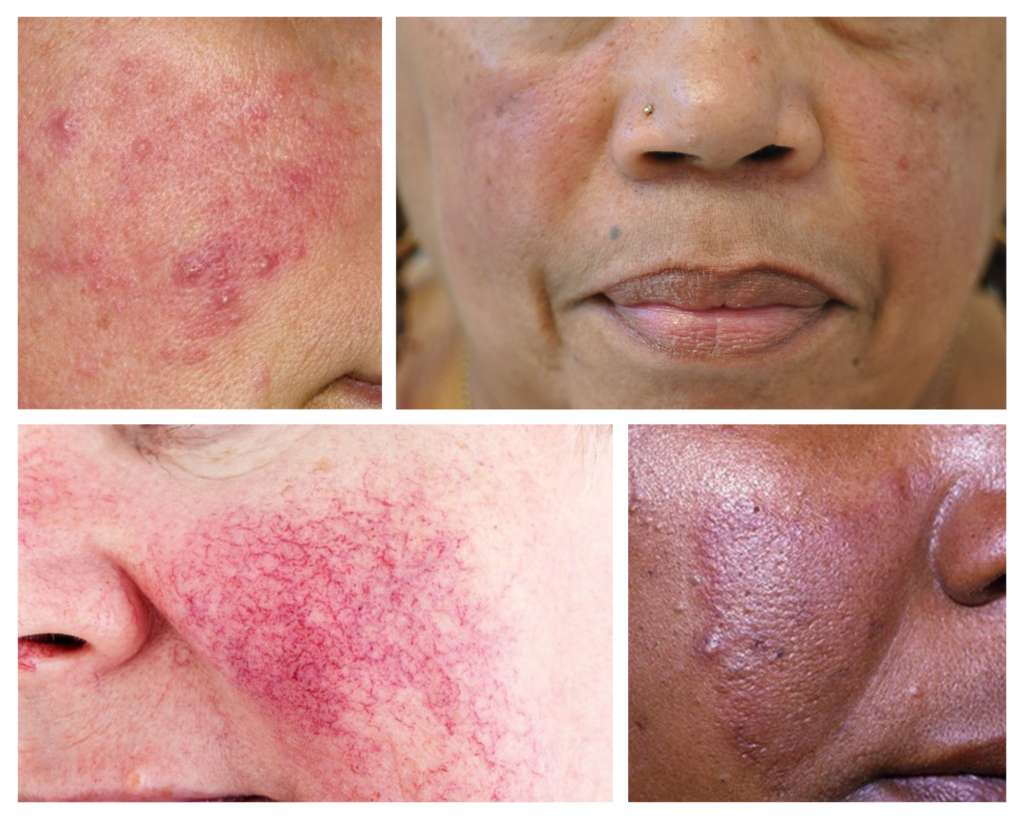
The symptoms of rosacea are diverse and can vary significantly from person to person. Common symptoms include:
- Persistent blushing – continuous redness in the central part of the face
- Pimples – Acne-like breakouts that can be confused with acne
- Swelling – Edema or puffiness in the face
- Thickening of the skin – Particularly on the nose, a condition known as rhinophyma
- Skin irritation – burning or stinging sensations
- Visible blood vessels – small, dilated blood vessels become visible on the skin
- Eye irritation – red, dry and irritated eyes, known as ocular rosacea
Due to the wide range of symptoms, rosacea is sometimes misdiagnosed as eczema or acne, which can delay effective treatment.
Triggers of Rosacea
Understanding what triggers rosacea flare-ups can help individuals manage their condition more effectively. Common triggers include:
- Sun exposure – UV rays can aggravate rosacea symptoms. Always use sunscreen with SPF 30 or higher.
- Hot weather – Heat can cause blood vessels to dilate, leading to increased redness and flushing
- Stress – Emotional stress can trigger flare-ups in many rosacea patients
- Diet – Spicy foods, hot drinks and alcohol (Especially red wine) are known triggers
- Exercise – Intense physical activity can cause overheating and flushing
- Hormones – Hormonal changes such as pregnancy/breastfeeding or perimenopause, or other underlying medical conditions, such as diabetes or thyroid issues, can trigger flare ups in people previously asymptomatic of rosacea symptoms
Identifying and avoiding your personal triggers can significantly reduce flare-ups.
Rosacea Treatment Options at SkinHD
While there’s no permanent cure for rosacea, advanced clinical treatments can dramatically reduce symptoms and improve skin health. At SkinHD, we offer tailored treatment plans depending on the severity of your condition:
Mild Rosacea
Early-stage rosacea can often be controlled with preventative care.
Recommended approach:
- Medical-grade, gentle skincare (avoiding harsh acids like AHAs/BHAs)
- 3–4 Limelight IPL sessions per year to reduce redness
- 3–4 mandelic acid peels annually to calm and resurface
Moderate Rosacea
More persistent redness and inflammation require a structured plan.
Recommended approach:
- 4–8 2D Laser facials per year to strengthen and calm the skin
- Targeted skincare designed for redness and inflammation
- PN or PRP treatments twice yearly to support healing and skin barrier resilience
- Mandelic peels can also be incorporated
Severe Rosacea
Advanced rosacea needs consistent, clinical intervention.
Recommended approach:
- 2D facials as often as monthly
- Prescription-strength skincare
- Direct thread vein treatment to reduce visible broken blood vessels
- Strict trigger and lifestyle management
Skincare for Rosacea
Using the wrong skincare products can exacerbate rosacea symptoms. We recommend looking for products containing gentle, anti-inflammatory ingredients such as:
- Azelaic Acid – reduces inflammation and redness
- Niacinamide – helps soothe and strengthen the skin barrier
- Antioxidants – ingredients like green tea and low-strength Vitamin C to protect and heal the skin.
Being gentle with your skin is key. If you need personalised advice, book a consultation with our specialist Heather, who can help you select the best products for your skin type.
Lifestyle Tips for Managing Rosacea
- Gentle skincare routine – avoid abrasive scrubs and hot water. Use lukewarm water and gentle, fragrance-free cleansers.
- Moisturiser regularly – Keeping your skin hydrated can help reduce irritation and protect the skin barrier.
Personal Insights: Living with Rosacea
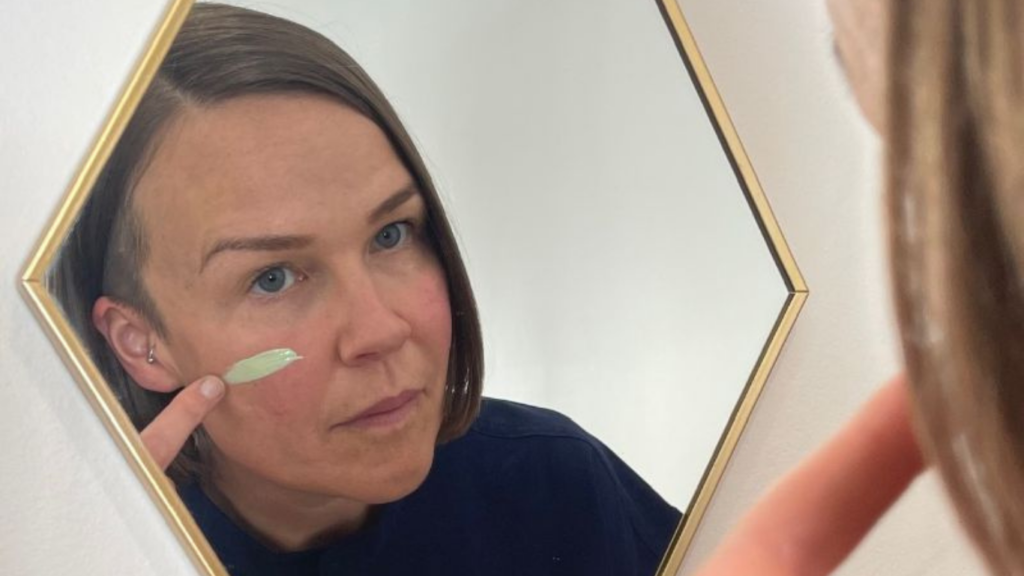
Hi, I’m Helena and I have pustular Rosacea. For many years, I was misdiagnosed with acne and tried various treatments, including antibiotics and Roaccutane. Although Roaccutane helps, my symptoms would return during times of significant stress. It wasn’t until my 40s that Heather, our skincare specialist, correctly diagnosed me with rosacea.
Now, I manage my symptoms with a combination of medical grade skincare, PRP, IPL and Polynucleotides.
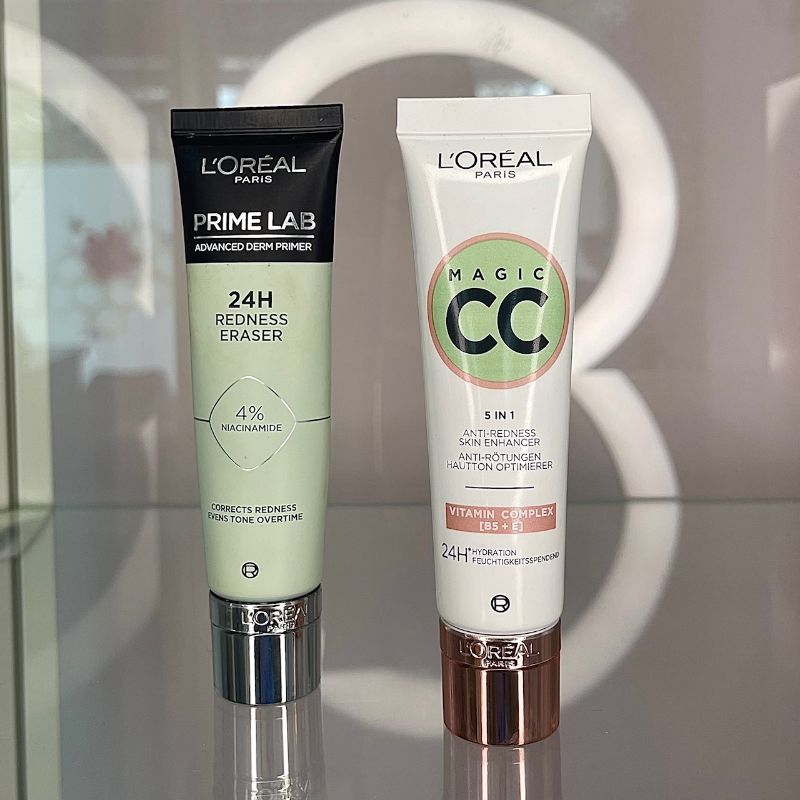
Additionally, I use two trusty products to help me feel more confident daily:
- L’Oreal Magic CC Cream – Blends into the skin like a foundation and counteracts redness
- L’Oreal 24hr Redness Erasing Primer (with 4% Niacinamide) – Works as a base for make-up, neutralising redness.
Both products are green-based to counteract redness and are affordable, making them excellent choices for everyday use.
Book your Skincare Consultation
If you’re struggling with rosacea or any other skin condition, book a consultation with our expert team. We provide honest, personalised advice without pressure or hard sales techniques, ensuring you get the care you need to achieve your skincare goals.
Together, we can help you achieve a healthier, more confident complexion. You can book your consultation online here or give us a call to schedule your appointment.